
Domestic Installations
Domestic appliance installations are a crucial aspect of ensuring that homes are equipped with the necessary appliances to carry out daily tasks. To book an installation, get in touch with our team today.

Our domestic installation services
Proper installation of household appliances is crucial to ensure their safe and efficient operation. Whether you are purchasing a new appliance or replacing an old one, it is important to have it installed correctly.

Sub Meters
An efficient way for landlords to manage electricity usage.
Kitchen Appliances
Is it time to upgrade your kitchen with modern electric appliances?
Panel Heater
Heat any space in an easy and efficient way.

Prepaid Sub Meters
Prepaid electric sub meters are an efficient solution for landlords to manage electricity usage and collect payments from their tenants. These meters enable landlords to effortlessly recover utility payments from tenants and ensure that they are only paying for the electricity they use. By allowing tenants to pay for their usage upfront, landlords can cut down on the risk of unpaid bills and ensure that their properties are being used responsibly. Prepaid sub meters are an ideal choice for landlords looking to save time, money and hassle when managing their properties.
Kitchen Appliances
We install the following:
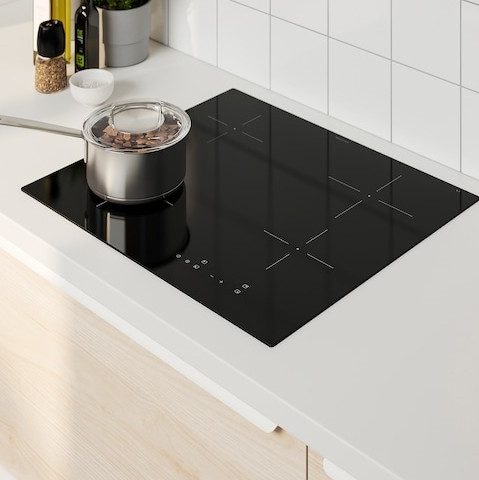
- Electric hobs- Electric hobs, also known as electric stovetops, are a popular appliance used for cooking food. These hobs are powered by electricity and use heating elements located under a smooth, flat surface to heat up pots and pans. Electric hobs come in various designs, including coil, ceramic, and induction models. They offer several advantages over other types of hobs, including precise temperature control, quick heating times, and ease of cleaning. Electric hobs are also generally more energy efficient than gas hobs, and they are a popular choice for households that do not have access to natural gas.
- Ovens- Electric ovens are an essential appliance for baking, roasting, and cooking food. Unlike gas ovens, electric ovens rely on electricity to generate heat through heating elements located in the oven’s walls or floor. These heating elements distribute heat evenly throughout the oven, allowing for consistent cooking and baking results. Electric ovens come in various designs, including single and double wall ovens, freestanding ranges, and built-in models. They offer several advantages over gas ovens, including precise temperature control, faster preheating times, and the ability to cook at lower temperatures. Electric ovens are also easy to clean and require little maintenance.
- Extractor fans- Kitchen extractor fans, also known as range hoods or exhaust fans, are an essential appliance for maintaining good air quality in the kitchen. These fans are typically installed above the stove or cooktop and work by sucking up the air and steam produced during cooking and venting it outside the home. Kitchen extractor fans come in various designs, including wall-mounted, island-mounted, and under-cabinet models. They offer several advantages over other types of ventilation systems, including improved indoor air quality, reduced moisture levels, and the prevention of unpleasant odors and grease buildup.

Panel heater
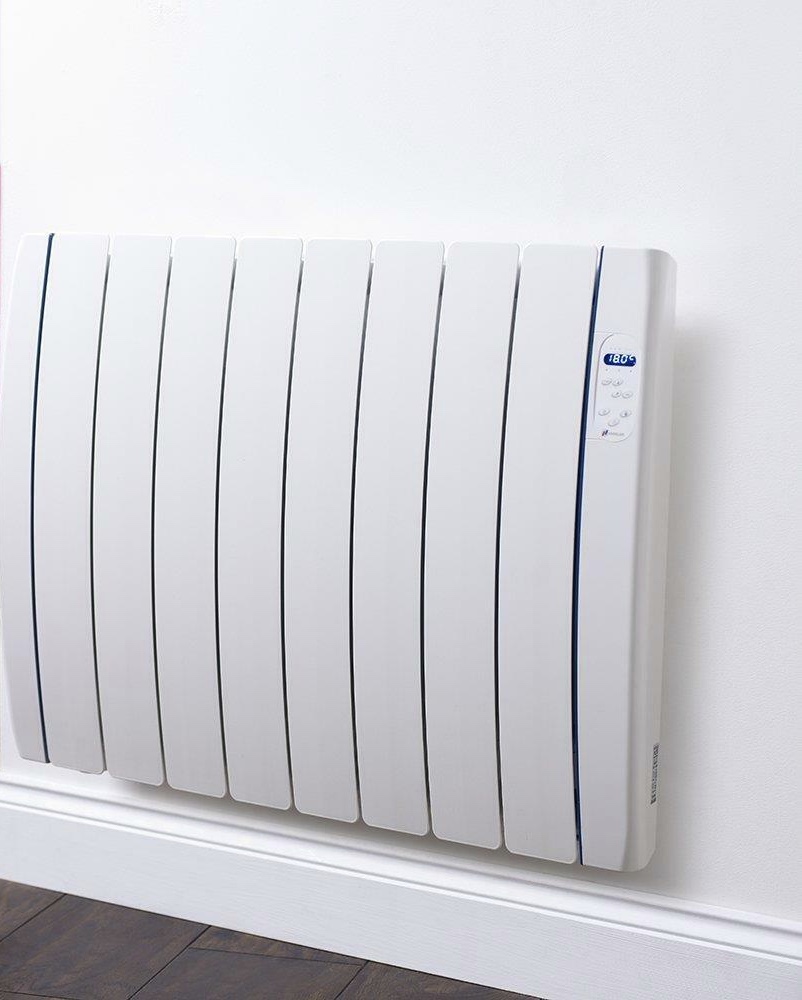
Panel heaters are sleek and efficient heating solutions that have gained popularity in recent years. These slim, wall-mounted units are designed to provide comfortable warmth while occupying minimal space. Panel heaters work by utilizing convection to circulate heat through a room, with an electric heating element embedded within a slim panel. One of the key advantages of panel heaters is their versatility. They can be easily installed in various settings, including homes, offices, and commercial spaces. With adjustable temperature controls and programmable timers, panel heaters offer convenience and energy efficiency, allowing users to optimize their heating requirements and reduce energy consumption.
Our process
Assessment
The electrical engineer will assess the electrical requirements for the specific appliances to be installed. This includes determining the appropriate voltage, current rating, and circuit requirements for each appliance. They will also consider the location and available electrical outlets to ensure proper placement.
Installation
The engineer will install the necessary electrical wiring and connections for each appliance. This may involve running the wiring from the electrical panel to the designated appliance location. The wiring will be properly sized and protected to handle the electrical load of the appliance.
Power
Depending on the appliance’s power requirements, the engineer may install a dedicated circuit or modify an existing outlet to accommodate the appliance. Dedicated circuits are typically required for high-power appliances like refrigerators, electric ovens, washers, and dryers.
Test
Once the installation is complete, the engineer will will test the appliance to ensure it is functioning as intended. This includes checking for proper power supply, voltage, and current draw.
 0203 576 2298
 WhatsApp
 info@sparkitz.co.uk
 Sparkitz