
ELECTRICAL SAFETY CERTIFICATES
EICR stands for Electrical Installation Condition Report. It is a comprehensive inspection of the electrical installations in a building or property to assess their condition and identify any potential hazards or defects. If your property requires an EICR, get in touch with our team today.
What happens during an EICR?
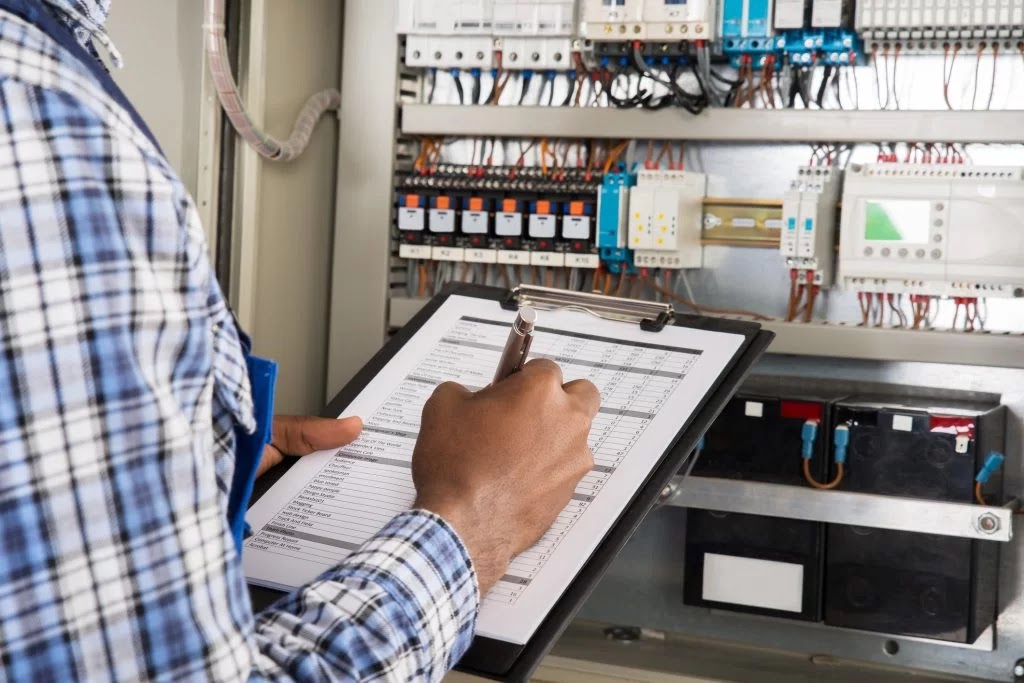
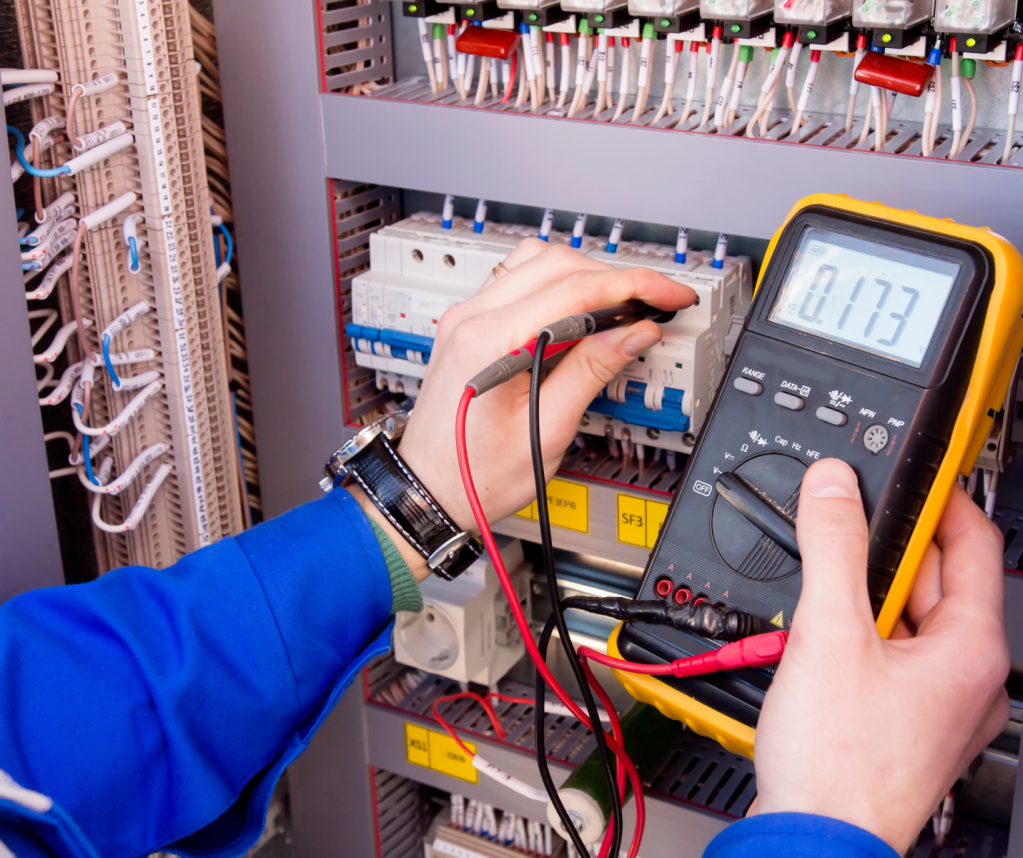
An EICR inspection involves a professional electrician or electrical engineer who examines the electrical systems in your building. The engineer will perform a visual assessment, looking for any cracks, breaks, or signs of overheating. Subsequently, the engineer will conduct electrical testing using voltages and currents to ensure the safety of the various circuits. Any issues discovered during the inspection will be documented and included in the report.
Keep your tenants safe!
The purpose of an EICR is to ensure that the electrical installations in a property are safe and meet the relevant safety standards. An EICR is an important safety measure, as it helps to identify any potential electrical hazards before they become a danger to the occupants of the building. It is also a legal requirement for landlords to ensure that their properties are safe for tenants, and an up-to-date. It is recommended that an EICR be carried out at least every 5 years or when there is a change in tenancy of the property.
EICR Codes
C1
Danger present
For items classifies as C1, the safety of those using the installation is at risk, and it is recommended that a skilled person competent in electrical installation work undertakes the necessary remedial work immediately.
C2
Potentially dangerous
For items classifies as C2, the safety of those using the installation may be at risk, this indicates that while this defect is not immediately harmful in the same way that a C1 code is, it has the potential to become so in the future.
C3
Improvement recommended
C3 is the only classification code that can appear on a report and still pass the EICR test. This indicates that this section of the installation does not comply with the wiring codes, although it poses no imminent hazard. Alternatively, enhancing it would improve the electrical installation’s safety.
FI
Further investigation
This code indicates that the electrical engineer has detected a problem, but that further investigation is required. They will be able to evaluate the severity of the problem after they have done so.

EICR Report
After the inspection, you will be provided with an EICR report. This report will contain:
- Details about the premises that were tested and who they were tested by.
- Any limitations that were encountered during the inspection, such as partial testing or circuits that could not be deactivated.
- Whether the inspection was satisfactory or unsatisfactory (i.e. ‘pass’ or ‘fail’), in line with the 18th edition wiring regulations.
- A comprehensive breakdown of all identified issues, including classification codes categorized by individual rooms or areas.
- An inspection schedule outlining the tests conducted and the results obtained.
The electrical engineer will talk you through the EICR report and advise what work needs to be done to bring any installations back into a safe condition. You can then organise remedial works.
Keep the report safe – you may need to provide a copy to your local authority or insurance provider if asked.
Remedial Work
Result
An EICR is a report that assesses the safety and condition of the electrical installation in a property. If an EICR identifies any faults or issues, remedial work may be required to address these issues and ensure the electrical system is safe and compliant with regulations.
Work
Remedial work may include:
- Replacing or repairing faulty wiring, electrical sockets, or switches.
- Upgrading the electrical system to meet current regulations and safety standards.
- Installing residual current devices (RCDs) to improve electrical safety.
- Improving earthing and bonding arrangements to ensure proper grounding.
- Updating electrical labels and documentation to ensure compliance.
The specific remedial work required will depend on the findings of the EICR report, which will identify any defects, damage, or deterioration in the electrical system.
Report
Once the remedial work has been completed, a follow-up inspection should be carried out to ensure that the issues identified in the EICR report have been addressed and the electrical installation is safe and compliant. A new EICR report should also be issued to confirm that the electrical system meets current safety standards.
 0203 576 2298
 WhatsApp
 info@sparkitz.co.uk
 Sparkitz