
Electrical Fault Finding
Electrical fault finding is the process of identifying and diagnosing problems or faults within an electrical system. To schedule an inspection, get in touch with our team today.
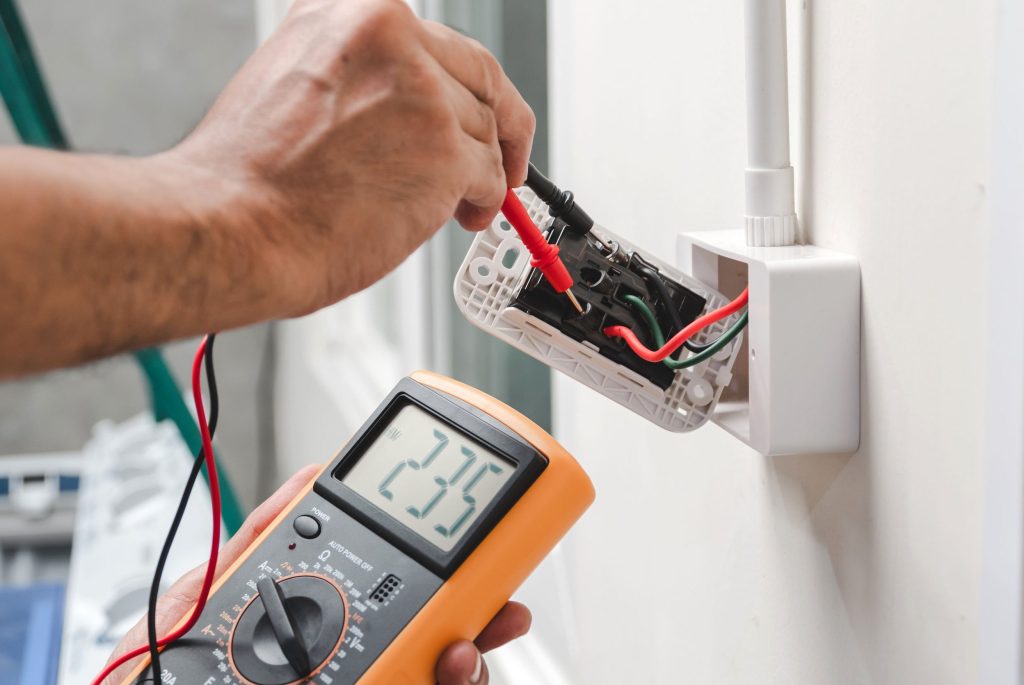

Ensuring your electrical systems are safe
If there is an electrical issue in your property, it's crucial to address it promptly before any accidents occur. Faulty electrical systems can pose a risk of injury, such as electric shock or fire. Identifying the root cause of electrical faults is often not apparent at first glance, which is where fault-finding services come in. Our electricians will systematically eliminate potential causes of the problem and translate their findings in a clear manner. This approach eliminates any guesswork and ensures that your electrical systems are functional and fault free.
Do you need electrical fault finding?
Although electrical faults may occasionally be minor and insignificant, they often carry a serious risk. Should you encounter any issues with your lighting, circuits, or sockets, it is essential to engage the services of a certified electrician to perform a thorough fault finding operation. Neglecting these problems may lead to serious health hazards, and could even result in fatalities. If you notice any of the following contact us immediately:
- Circuit breakers tripping frequently
- Flickering or dimming lighting
- Unexplained burning smells
- Circuit breakers tripping frequently
- Sparking observed from sockets or switches
- Buzzing sounds within walls or electrical system
- High energy bills compared to usual consumption
- Any other electrical problems
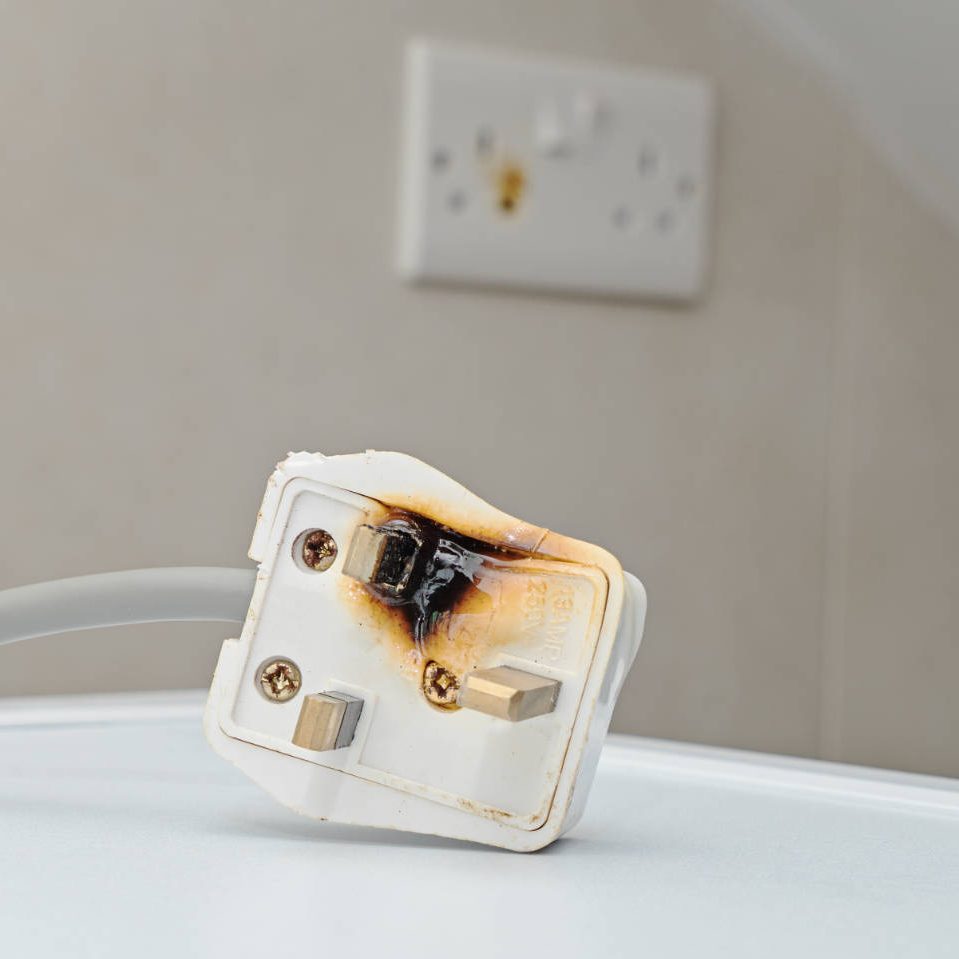
Our process to fault finding
Assessment
One of our qualified electrical engineers assesses the electrical system to identify the symptoms of the problem. This involves gathering information on the issue, such as when it started, what equipment is affected, and any other pertinent details. The engineer will inspect the equipment, wiring, and components for any visible signs of damage or wear, such as burnt or melted wires, blown fuses, or damaged equipment.
Inspection
This requires a more in depth investigation, including checking for continuity, resistance, and voltage. Different tools, such as an ohmmeter, voltmeter, and ammeter, can help pinpoint the faulty component.
Repair
Analyze the data gathered from the tests and inspections to determine the root cause of the problem. Based on the analysis, develop a plan of action to fix the problem, which may include replacing components, rewiring, or repairing equipment.
Test
Once the component is repaired or replaced, test the system to ensure that it’s working correctly. This can involve conducting visual checks, testing circuits, or running the equipment under various loads. The engineer will document the findings, including the problem, cause, solution, tests performed, and any changes made to the equipment or wiring.
 0203 576 2298
 WhatsApp
 info@sparkitz.co.uk
 Sparkitz