

PAT Testing
PAT stands for Portable Appliance Testing. It is a process of inspecting and testing electrical appliances to ensure that they are safe for use. To book a test, get in touch with our team today.
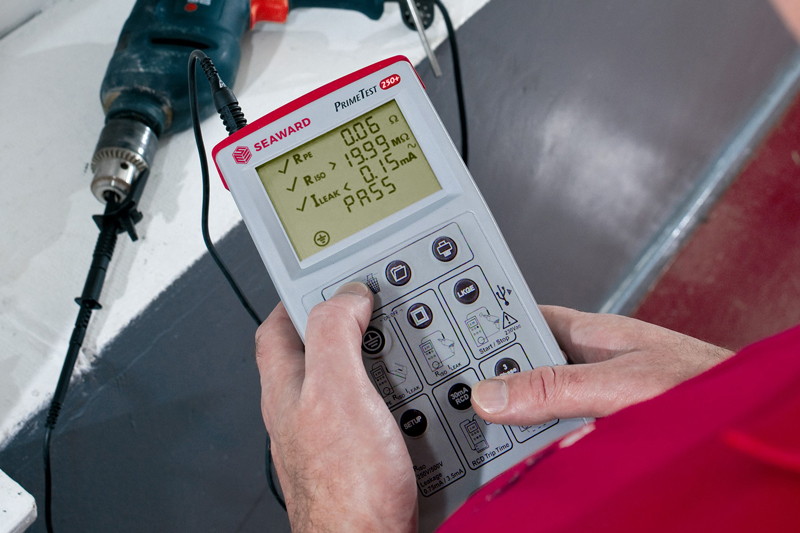
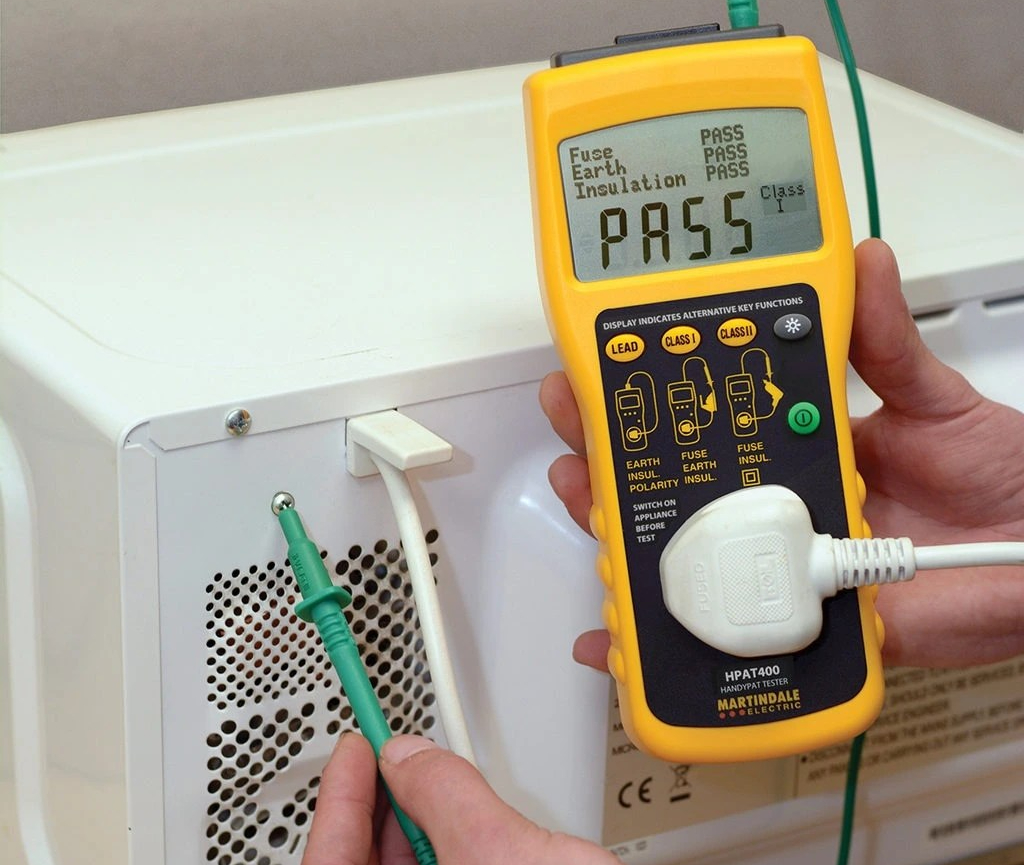
What is a PAT test?
Portable Appliance Testing (PAT) is a process of checking electrical appliances to ensure they are safe to use. It involves a series of tests and inspections that are performed on portable appliances to ensure that they are functioning correctly and do not pose any safety risks.
Importance of PAT testing
Ensuring the safety of your electrical equipment is crucial, and PAT testing is an effective way to achieve this. By identifying damaged equipment, you can minimize the risk of electric shock or fire, which could potentially harm you or your tenants, and even cause damage to your property. In addition, PAT testing can help you determine when it’s time to replace your electrical equipment before it becomes a hazard. This means that you don’t have to struggle to get your equipment replaced or repaired if it suddenly stops working.
Which Appliances Need Testing?
| Appliance category | Description | Risk Level | Visual Inspection Needed? | PAT Test Needed? Class 1 | PAT Test Needed? Class 2 |
|---|---|---|---|---|---|
| Handheld | Equipment held in the hand, like hair dryers or electric drills | High | 6 Monthly | Annually | No |
| Portable | A device that weighs less than 18kg and is designed to be moved, like toasters or vacuum cleaners | Medium | Annually | 4 Yearly | No |
| Moveable | This is equipment that either weighs 18kg or less and is not permanently installed, like electric heaters | Medium | Annually | 4 Yearly | No |
| Cables & Chargers | Extension cables, IEC leads and cable reels | Medium | Annually | 4 Yearly | No |
| Stationary | This equipment weighs more than 18kg and does not come with a handle for carrying, such as a refrigerator or a washing machine | Low | 2 Yearly | 4 Yearly | No |
| IT | Electrical equipment like computers or printers, as well as other equipment for overall business purposes | Low | 2 Yearly | 4 Yearly | No |
| Fixed | Equipment which is fixed in a permanent location or is fastened to a support like electric towel warmers | Low | 2 Yearly | No | No |
Electrical Classes
 Class 1
This type of electrical equipment has only basic insulation and relies on an earth for protection. For example, fridges/freezers, kettles and microwaves.
 Class 2
This type of electrical equipment has extra insulation and so doesn’t rely on an earth for protection, which makes it safer. For example, TV’s, lamps and power tools.
 Class 3
Class 3 appliances are low voltage items and are the safest class of electrical equipment. For example, laptops, cameras and mobile phone chargers.
Visual inspection
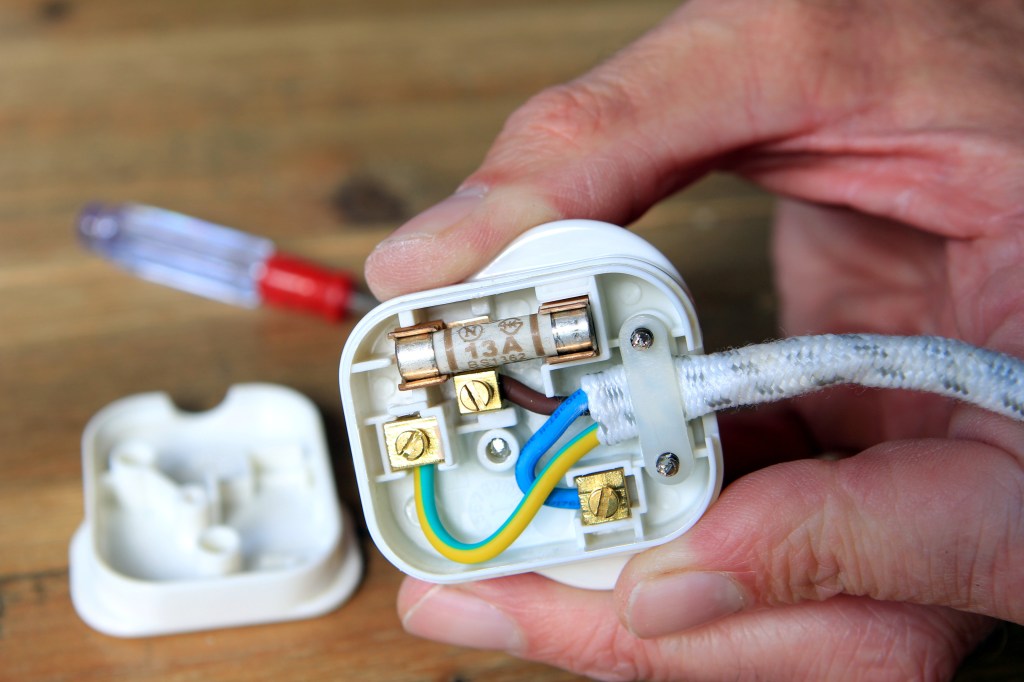
Firstly a visual assessment will be carried out to identify potential faults, we inspect the appliance for any signs of damage. Visual checks are particularly crucial, as most faults occur during this stage. Some of the things we look for during the inspection include:
- Cracks and dents in the product casing
- Scorch marks and overheating
- Damage to the leads or plug
- If the right size fuse has been used
- Whether the appliance has adequate ventilation
- Equipment that has been used in unsuitable conditions

Tests performed after the inspection
An in-depth inspection and test follows the visual assessment, this allows us to detect any damage that may not be readily apparent. This includes:
- Earth bond test- This check ensures there is a satisfactory connection between the case of the appliance and the plug’s Earth pin. This connection reduces the risk of electric shock when the case is touched.
- Insulation resistance checks- This check makes sure that the insulation around the live parts of the appliance have a high level of resistance.
- Lead polarity checks- This check makes sure that the lead of your appliance is wired correctly.
After conducting these tests, we perform an operational test to confirm that all functions are operating correctly as intended.
What you will receive
Result
After the inspection and tests are complete, the appliance will receive a pass or fail. A label is affixed to the appliance indicating whether it has passed or failed as well as additional information including the test date, re-test date and Appliance ID number assigned to it. A full list of any failed items with an explanation of their failure will also be provided.
Remedial work
Appliances that fail the PAT test will require remedial work to be carried out. This may involve replacing damaged cables, fixing faulty connections or replacing defective components. In some cases if the extent of the damage is significant and beyond repair, the appliance may need to be replaced.
Test
After the remedial work is completed, the engineer will retest the appliance to verify that the issues have been resolved, and that the appliance now meets the required safety standards.
 0203 576 2298
 WhatsApp
 info@sparkitz.co.uk
 Sparkitz