
Power Installation
We understand that electricity is an essential part of any property, that’s why we’re here to provide you with the best solutions for your power needs. If you require an installation to be carried out, get in touch with our team today.
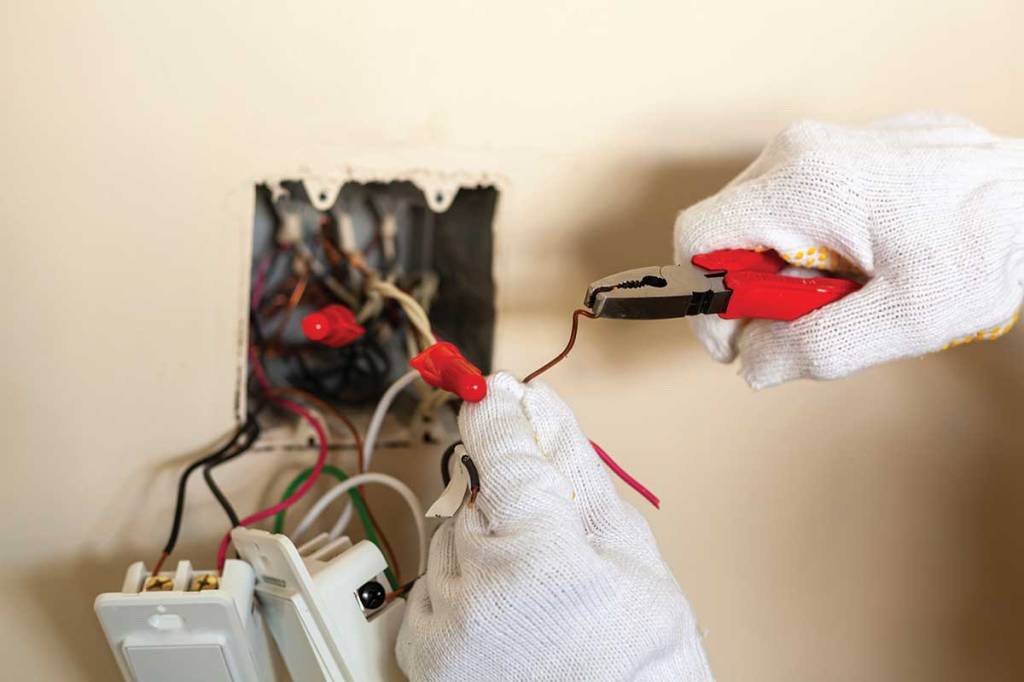
Our power installation services
Power installations refer to the electrical systems that power your appliances, lighting, sockets, and other electronic equipment in your home or business. These installations consist of various components, such as wiring and outlets, that work together to ensure the safe and efficient distribution of electricity throughout the building.
Power Socket
Are you considering enhancing your home by installing a new electrical outlet that includes USB charging ports?

Full or Partial Rewire
If your home's wiring has been in place for more than 30 years, it is typically recommended that you consider rewiring your home.

Power Socket
Power sockets are an essential component of any home or office space, allowing us to power our devices and appliances. With the growing number of gadgets and devices, it’s becoming increasingly important to have enough power sockets to meet our needs.
Reasons to install a new a power socket:
- Increase power supply- As we rely more on electronic devices in our daily lives, we may find that we need more power sockets than our current setup can provide. Installing new power sockets can help to meet our increased power needs.
- Improve convenience- Adding power sockets in areas where they are needed can improve convenience and functionality. For example, adding a power socket near a desk can make it easier to charge and use electronic devices while working.
- Upgrade to modern features- Modern power sockets can offer additional features, such as USB charging ports or surge protection, that can enhance convenience and safety.
- Replace old or faulty plugs- Over time, power sockets can become worn or damaged, leading to electrical hazards or insufficient power supply. Installing new sockets can help to replace old or faulty ones, ensuring safe and reliable power supply.
Electrical Rewire
Every home has an electrical wiring system that powers all your appliances, lighting, sockets and any other electronic equipment. As with anything your electrical wiring will gradually experience wear and tear, especially with the high electricity demands in the average modern home.
Common signs a house requires a rewire:
- Regular tripping- This relates to your fuse board and may indicate the necessity of rewiring your home. Another indication might be when your lighting flickers or dims frequently, or you find yourself frequently replacing light bulbs.
- Crackling or buzzing noise from electrical sockets- When you experience this, it is a definite indicator that there is an issue with your wiring. It could also imply that you have blown fuses that require replacement or upgrading, a problem that might stem from faulty wiring.
- Discolouration of wiring or fittings- This may be a significant indication that you require a rewiring because discolouration commonly results from consistent overheating and burning.
- Older property- If your property has not been rewired within the last 25-30 years then we recommend you consider a full rewire.
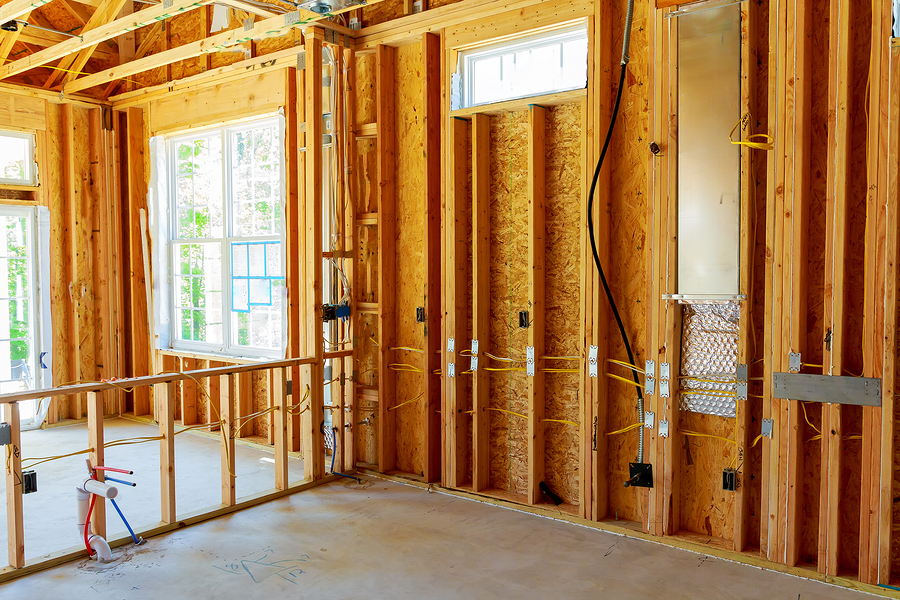
What does rewiring a property involve?
Inspection
When attempting to determine whether a property requires rewiring, we always advise commencing with an inspection of your current wiring and installations by an electrical engineer. This approach will be significantly less costly and could spare you the expense of a complete rewiring if the engineer determines that your wiring is safe and meets current standards.
Installation
In the event that the inspection reveals the necessity for a complete rewiring, the typical process starts by removing the previous wiring and installations from underneath the flooring and inside the walls. Next, the new wiring and consumer unit will be fitted via the same space that the old cabling ran through. After the new wiring has been installed, the engineer will proceed to install new electrical components such as sockets, lights, switches, and any other specified items.
Time
When providing estimates on the duration of a property rewiring project, the timeline will depend on the size of the property and the number of rooms. Typically, for an average property with 3-4 bedrooms, a full rewiring project takes approximately a week to finish. Nonetheless, the actual time required to rewire a property varies according to the size of the property and the number of new components to be installed.
Tests
After your property has undergone a full rewiring, you will need to have all of your installations tested again, typically through an Electrical Installation Condition Report (EICR). If the inspection reveals no issues, you will be granted an electrical safety certificate to demonstrate that your property meets the latest regulations. It is essential to keep this certificate secure, particularly for rental properties or if you intend to sell your property.
 0203 576 2298
 WhatsApp
 info@sparkitz.co.uk
 Sparkitz