
Upgrade Fuse Boards
Your fuse board, also known as a consumer unit, is the hub for all your electrical circuits and is responsible for ensuring the safety of your electrical installation. To upgrade to a modernised electrical system, get in touch with our team today.
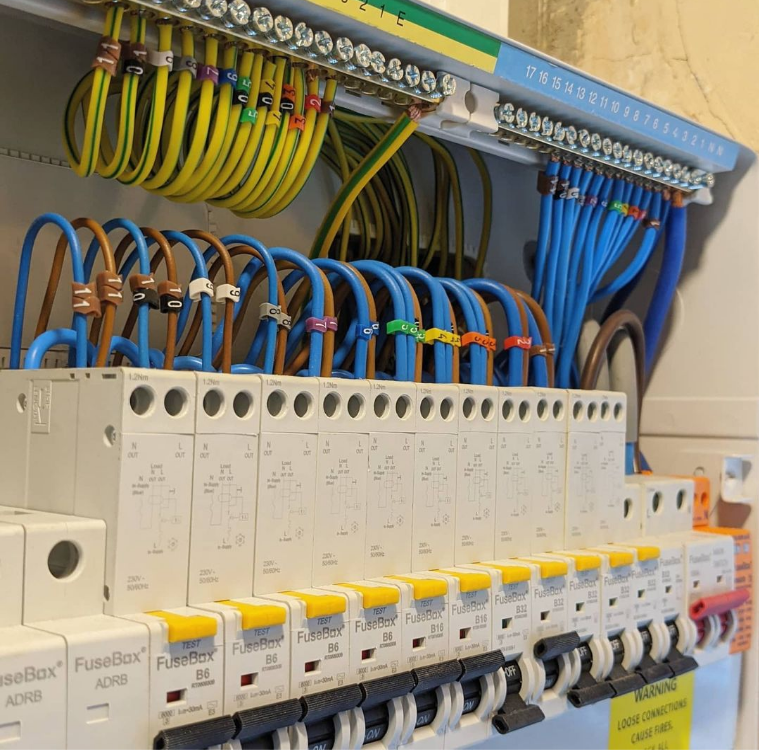
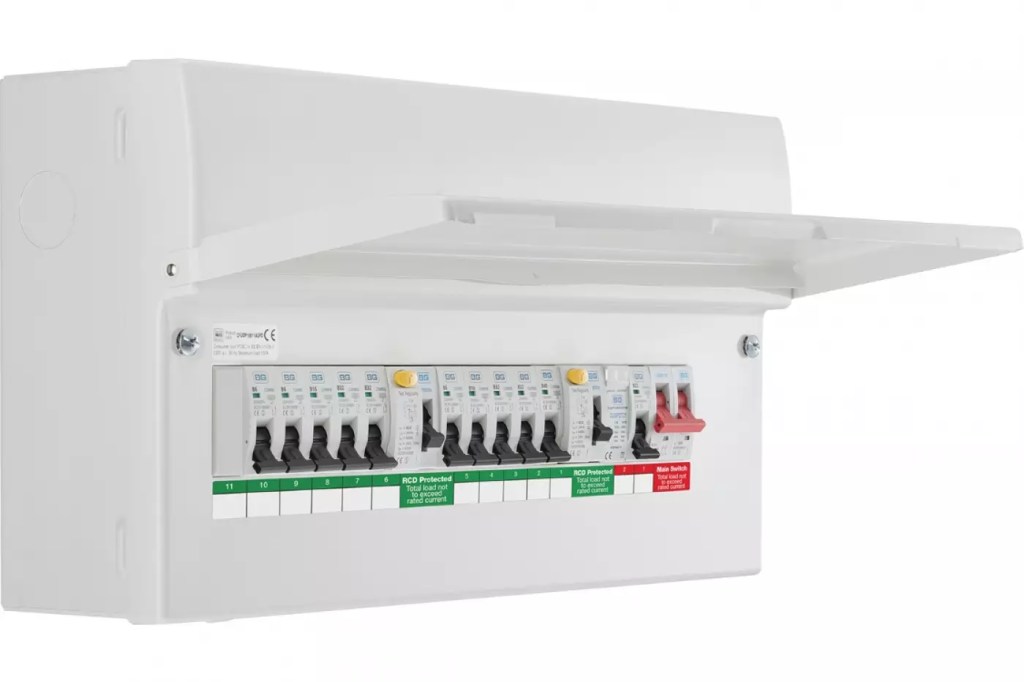
The importance of fuse boards in electrical systems
Fuse boards are an essential part of the electrical system in your home. They protect your property from electrical hazards by controlling and distributing electricity throughout the building. However, if your fuse board is old, outdated, or damaged, it may not be able to handle the demands of modern appliances and electrical systems, putting your home at risk of electrical fires, shocks, and other hazards.
Why upgrade your fuse board?
There are several reasons why you might need to upgrade your fuse board:
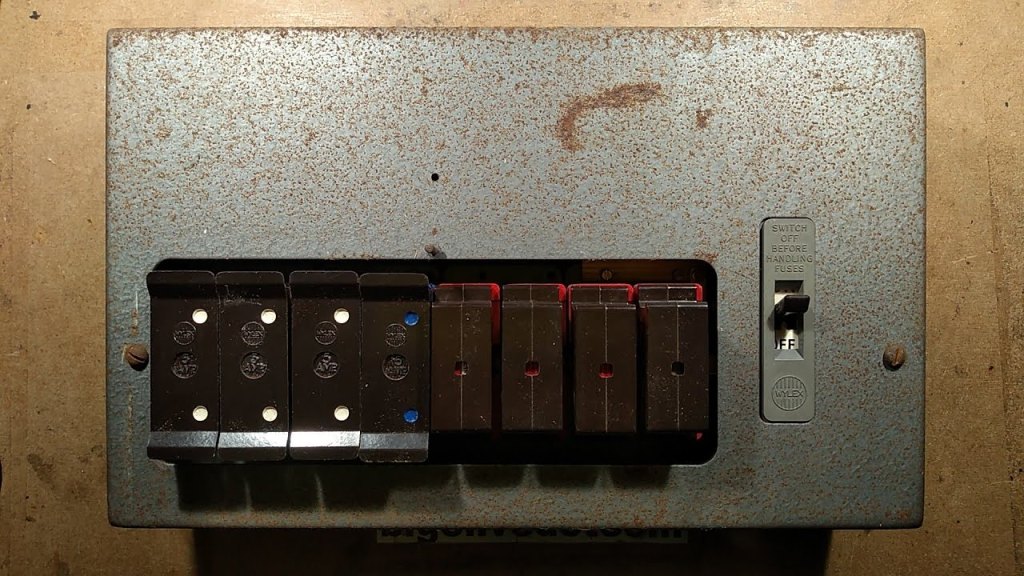
- Age- If your fuse board is more than 20 years old, it may not be able to handle the electrical demands of modern appliances and devices. Older fuse boards often have fuses that are difficult to replace and may not meet current safety standards.
- Overloaded Circuits- If you frequently experience power outages or tripped breakers, it could be a sign that your circuits are overloaded. Upgrading your fuse board can help distribute the electrical load more evenly and prevent power surges.
- Safety- Electrical fires and shocks can be caused by faulty wiring, outdated fuse boards, and other electrical hazards. Upgrading your fuse board can help reduce the risk of these hazards and keep your family safe.
Benefits of a modern consumer unit
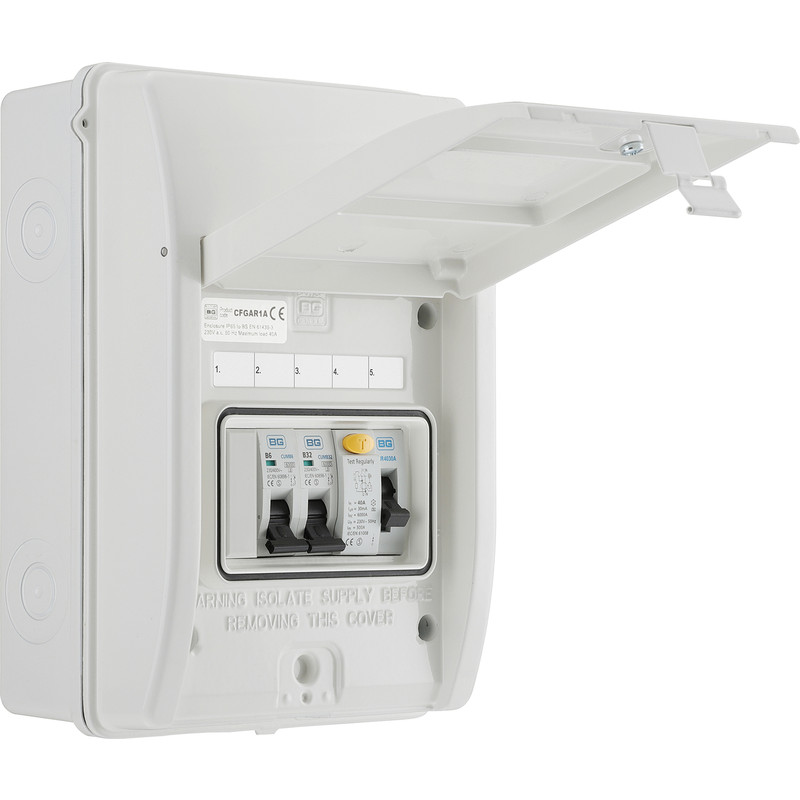
There are many benefits to having a modern up-to-date consumer unit:
- Main switch- The primary electrical switch governs the flow of electricity into your property. It is operated manually and enables you to cut off power to your entire property. By flipping this switch, your property becomes completely disconnected from the main power supply. This is the switch you should utilize in case of an emergency or when performing maintenance work.
- Residual Current Deceives (RCD)- Your property’s electricity is monitored by devices known as RCDs, with typically two of them located in each consumer unit. These RCDs cover different sets of circuits in your property, splitting them equally. The primary function of RCDs is to constantly keep an eye on the current flowing through the circuits they are assigned to. If there is an abrupt fluctuation in the current or if it exceeds a certain level, RCDs will automatically trip and shut down the corresponding circuits. For safety reasons, RCDs are configured to trip when the current surpasses 30mA, as this is the level that could lead to potential harm. RCDs are designed to trip in situations where there’s a possibility of electrocution, typically when there’s a fault in the wiring or an appliance in use.
- Circuit breakers- Circuit breakers and RCDs share a similar purpose, they both cut off the power supply when there is an electrical fault. However, circuit breakers or miniature circuit breakers (MCBs) have a more localized coverage in your property, such as the kitchen sockets or downstairs lights.
What does a fuse board upgrade involve?
Assessment
One of our electrical engineers assesses the existing fuse board to determine if an upgrade is necessary or recommended. Factors considered include the age of the unit, its condition, compliance with current electrical regulations, and the electrical demands of the property.
Planning
The engineer plans the upgrade based on the specific requirements of the property. This may involve calculating the load requirements, considering future expansion or additional circuits, and ensuring compliance with relevant regulations and safety standards.
Safety
Before starting any work, the engineer ensures the electrical supply to the property is isolated to prevent accidents. This may involve shutting off the main switch and using appropriate safety precautions.
Fitting
The engineer carefully removes the old fuse board, disconnecting all the wires and labeling them for proper identification during installation. The new consumer unit is mounted securely in place, and the engineer connects the incoming mains supply to the unit. The wiring for individual circuits is connected to the appropriate circuit breakers or RCDs in the consumer unit.
Tests
After installation, the engineer performs thorough testing to ensure the new consumer unit is functioning correctly. This includes checking the continuity of circuits, testing RCDs, verifying proper labeling, and ensuring compliance with safety standards.
Certification
Once the upgrade is complete and deemed satisfactory, the engineer provides the necessary certification and documentation. This may include an Electrical Installation Certificate (EIC) or Minor Electrical Installation Works Certificate (MEIWC), which document the work performed and certify its compliance with relevant regulations.
 0203 576 2298
 WhatsApp
 info@sparkitz.co.uk
 Sparkitz